

If you have ever wondered how one of the greatest minds in marketing develops his adverts, this is the article for you.
In 1983, David Ogilvy literally wrote the book on advertising. A generous and insightful look into a profession shrouded in mystery.
As an advertising tycoon, Ogilvy introduced us to many of the most infamous brands we still recognise. Names like Shell, Schweppes and Rolls-Royce owe their reputation to Ogilvy.
Here are three incredible lessons I learned from the Father of Advertising.
- When you buy a brand, you aren’t just buying a product
- Positioning is everything
- Headlines, then body copy
When you buy a brand, you aren’t just buying a product
Don’t be fooled!
Starbucks doesn’t just sell coffee and Tesla doesn’t just sell electric cars. Gymshark doesn’t just sell shorts with no pockets either!
They are selling an image. A personality.
You, the consumer, when purchasing one of these products, are sending a message.
You are telling the world something about yourself. Broadcasting who you are.
Maybe you really do like the coffee at Starbucks?
But, the fact you get to carry around a cardboard cup with a green logo that says “fuck you! I can afford to drink expensive coffee” is a far more important factor.

The same can be said of Tesla. It isn’t just that the cars are good – I am sure they are. You are also buying everything that car stands for. You are buying into Elon’s vision of the future and the status it brings.
When you buy Gymshark you buy your entrance ticket to the club. You might not be able to run any faster or squat any heavier, but all the girls will know you have good taste in T-shirts.
Side note: Gymshark actually brands itself as an apparel company, rather than a clothing company, for this very reason.
What really matters to consumers is the answer to the following question. What does my purchase signal to the rest of society?
Positioning is everything
Why do some brands, who sell virtually identical products to their competitors, take control of the market? And why do the others crash and burn?
The answer is positioning.
Ogilvy says positioning is “what the product does and who it’s for.”

That might seem like a simple enough question but when advertisers are looking to make their brand stand out from the crowd it can be a problematic one.
You cannot just be a good beer. You must be the beer that’s better than the rest.
Take the dark stout beer called Theakston’s Mild. You’ve never heard of it have you?
(If you have, I would gamble you’re in your 50s or a hipster who likes craft brews).
I can guarantee, however, you’ve heard of the visually identical Guinness.
They are both thick and a deep blackish-burgundy and, to the uninitiated, similar tasting.
And yet, Guinness has a tap in every respectable pub, and Mild, unfortunately, is a side note in the history of our grandfathers’ drinking days.
Why is this?
Because Guinness positioned itself as a drink for the Irish in all of us.
“If you see the cover of an Irish passport, you’ll see nothing but a harp. It’s the official national emblem of Ireland… but it was Guinness who staked the claim on the harp first”
– Guinness Website
Not drinking Guinness, therefore, would be unpatriotic at best and downright disrespectful at worst.
To drink Guinness is to become, for a moment at least, part of Irish history.
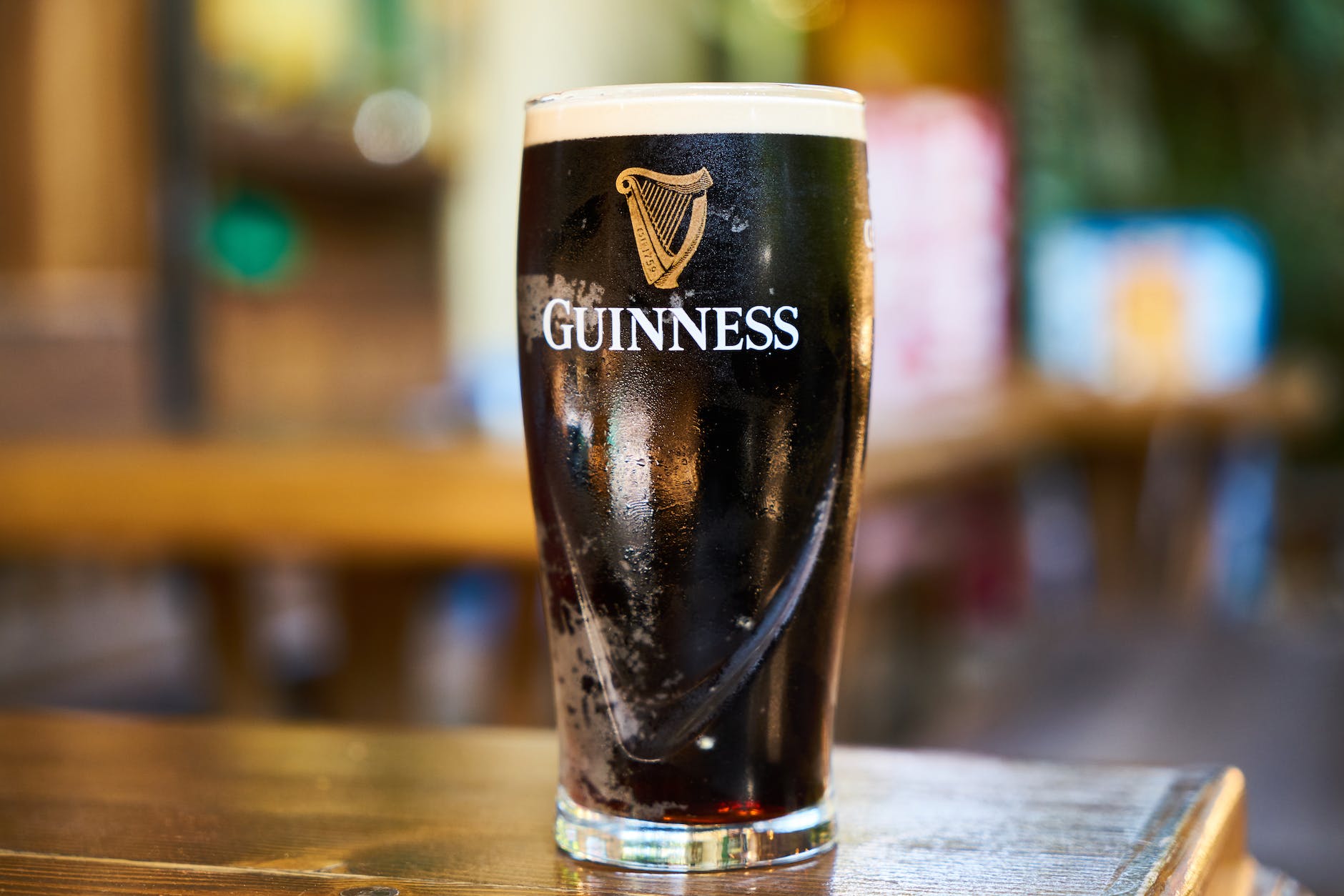
(I once drank Guinness in North Macedonia, in a pub where no Englishman should have ventured, and through the hanging cigarette smoke, the barman swore it was as Irish as the fields of Athenry).
This is positioning. Finding who your brand speaks to and what it does for them.
Headlines, then body copy
If my headline didn’t work, you won’t be reading this.
Your headline, according to Ogilvy, “gets five times the readership of your body copy. If it doesn’t sell, you have wasted your money.”
This is what tabloid magazines get right, time and time again, and why click bait has taken over the internet.

A headline that promises no drama, no benefit to your life, and no secret knowledge, is ineffective and wasted space on the page.
The body copy, on the other hand, though rarely read “determines the success of your advertisement.”
The people that read the copy of an advert are prospective buyers. They are “interested enough in what you are selling to take the trouble to read about it.”
The copy is where you convince them to part with their cash. The headline is the starting whistle.
(Whilst writing this section I changed my headline three times).
To read more of my articles click here, or subscribe to get regular blogs in your inbox!






 Absurd Insights
Leave a reply to How to become a copywriter without a marketing degree – Absurd Insights Cancel reply