

By Richard Croxford, Copywriter, UK.
Do you remember a few years ago, when brands would bang on and on about sustainability and the environment?
Businesses were constantly talking about the environment, green energy, low carbon footprints, and so on, within their marketing efforts.
It was pretty insufferable, to be honest, and began having a negative effect on brand equity – not because environmental principles aren’t worthy causes, but because when everyone else is discussing a topic it tends to lose its power for persuasion.
However, my question for you today is: “Have you noticed a decline in this trend?”
I mean, think about it, when was the last time you saw a brand specifically focusing on pushing the environmental narrative?
Yes, it may have been a side note in their marketing, but very few companies are actually riding on it as a central piece of their branding nowadays.
What happened to environmental messaging?
I was recently reading an article in which the author suggests that copywriters (and marketers in general) are increasingly downplaying their company/client’s environmental goals, achievements, and efforts.
In other words, rather than promoting their environmental efforts, businesses are now “greenhushing.”
Greenhushing is the practice of companies deliberately minimising their public communication about sustainability initiatives.
This is done to avoid the risks associated with “greenwashing.”
From Wikipedia: Greenwashing, also called green sheen, is a form of advertising or marketing spin that deceptively uses green PR and green marketing to persuade the public that an organisation’s products, goals, or policies are environmentally friendly.
Companies are, in other words, actively going against environmental marketing and reducing the emphasis on sustainability in their branding to protect themselves from legal repercussions and (more importantly for marketers) negative public scrutiny.
And greenwashing really does put your brand at risk of legal action – especially where there are high consumer standards and regulatory bodies to monitor them!
This has caught several high-profile brands out in recent years:

Ryanair: In early 2020, Ryanair boldly proclaimed itself as Europe’s “lowest emissions airline” to the British public. This claim was largely unsubstantiated – and pretty much entirely made up – leading the ASA to quickly ban the ads.

HSBC: In October 2022, the Advertising Standards Authority (ASA) flagged high-street bank HSBC for a series of ads promoting its investment in climate-friendly projects. These ads failed to disclose that HSBC’s ongoing investments in oil and gas result in approximately 65.3 million tonnes of carbon dioxide emissions annually. Consequently, the ASA banned the series of ads.
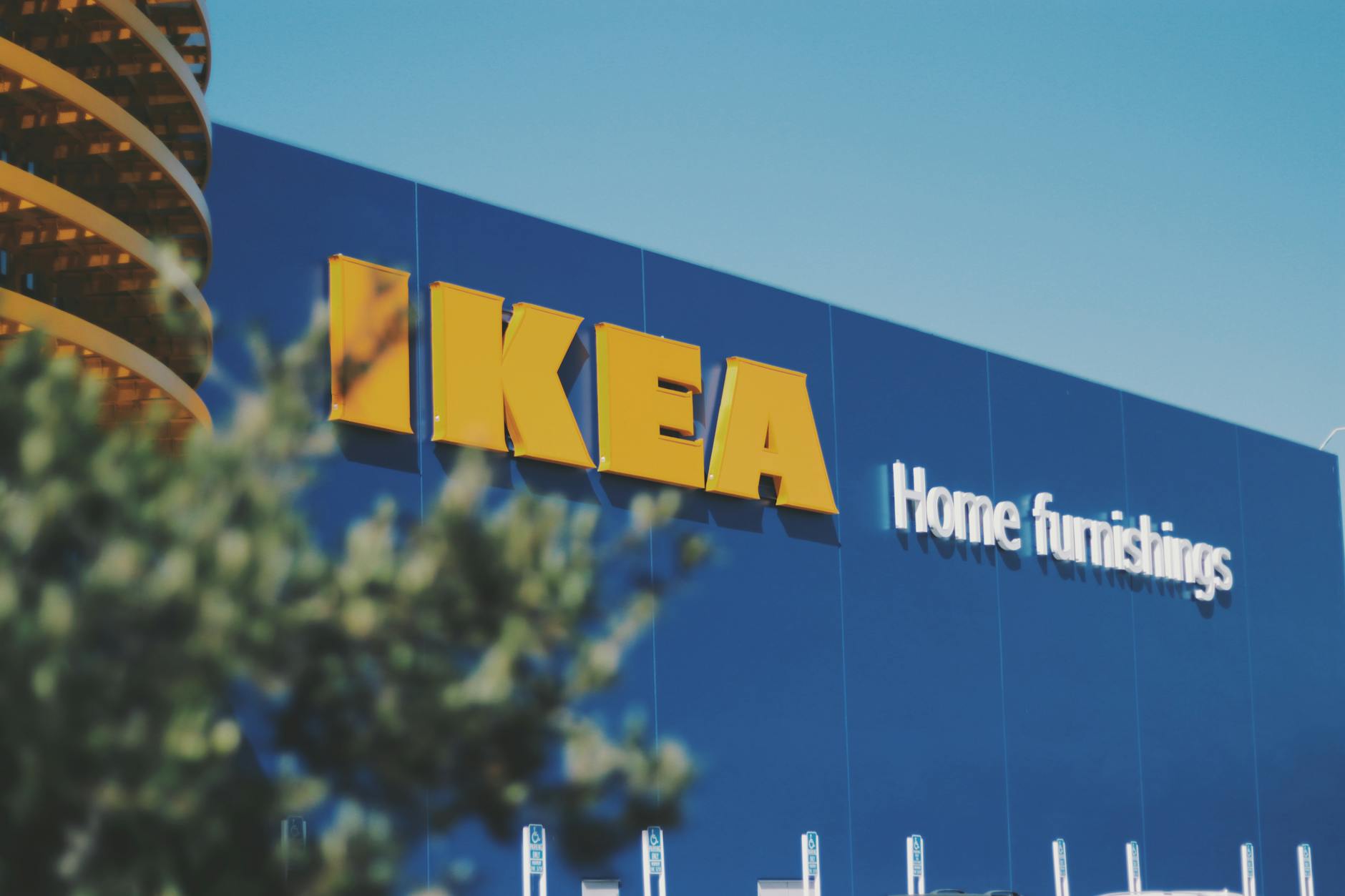
IKEA: IKEA is the world’s largest consumer of wood, yet the company claims to be environmentally friendly. However, in 2022, an Earthsight investigation revealed that IKEA has been producing beechwood chairs using illegally sourced wood from Ukraine’s Carpathian forests home to endangered species like bears, lynxes, wolves, and bison.
It’s easy to see why so many marketers are actively engaged in covering up their environmental and sustainability efforts then.
They don’t want to risk the legal implications of getting it wrong and they know that the general public is pretty sceptical of it anyway.
My advice to copywriters
Don’t rely on the environmental narrative to produce leads anymore.
It seems common sense but this advice still isn’t being heeded in many marketing circles.
Find another, more creative way to sell your product and leave the environmental (and even ESG/CSR in general) out of the frame.
That’s not to say you can’t mention it – if it’s a selling point to your unique audience then sure, go for it – but don’t rely on it.
That’s the bottom line, at least in my humble opinion.
If you enjoyed reading this article, consider subscribing. It’s FREE!




 Absurd Insights
Leave a comment