
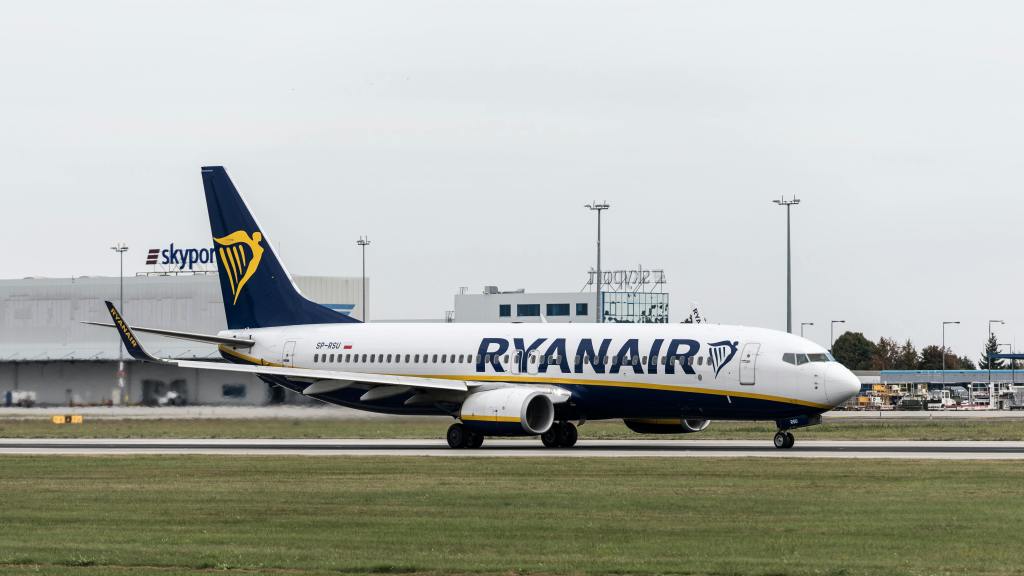
The age-old adage “all publicity is good publicity” has sparked endless debate amongst marketing professionals.
Recent comments, by the owner of Ryanair, have thrown this topic back into the limelight, so I wanted to examine it further.
Bad publicity, in my mind, encompasses a spectrum of adverse events – from scandalous exposés to social media uproar.
Yet, despite its connotations, bad publicity is often disregarded – sometimes even flaunted – by some business leaders.
Advocates, like Ryanair’s owner, Michael O’Leary, argue that controversy can be a catalyst for increased attention and awareness.
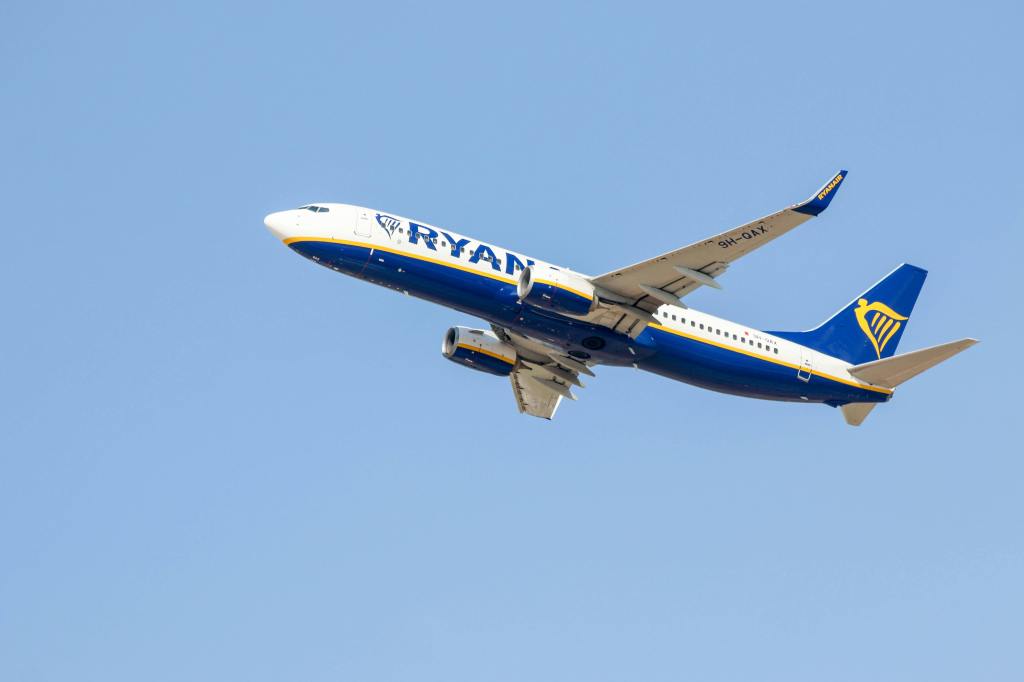
“The funny thing we’ve learned over the years is actually the bad publicity sells far more seats than the good,” said O’Leary, speaking to the Wall Street Journal.
Indeed, history has shown that scandalous or provocative campaigns often attract significant media coverage, thrusting brands into the spotlight.
However, as marketers, we need to tread cautiously if we are to adopt this attitude.
Beneath the allure of attention lies a minefield of risks and consequences that come with bad publicity.
It can inflict lasting damage upon your brand’s reputation and erode customer loyalty.

Companies that fail to properly manage a crisis often risk facing long-term repercussions.
(I recently wrote an article on crisis copywriting for King Charles which you can read here).
Central to this debate is the major impact that bad publicity can have on brand image and perception.
Once tarnished, a brand’s reputation becomes a Herculean task to restore.
Negative associations linger in the minds of consumers, casting a shadow over future interactions.
Ah, but what of the consumer amidst the chaos?
In the age of social media, consumer backlash can escalate with alarming speed.
The phenomenon of “cancel culture” looms large, posing existential threats to brands deemed unworthy of redemption.
Strategic responses to bad press
Yet, in adversity lies opportunity.
Companies that weather the storm with grace and integrity – dare I say, even humour – can emerge stronger from a crisis than before they had one.
Transparency, accountability, and genuine apology serve as cornerstones in crisis management.
Being prepared for a crisis, having an action plan and a way out are also very important aspects to a brand’s longevity.
Repairing the relationship between the brand and the consumer after bad publicity is also a key factor in recovery.
This might involve implementing corrective actions – like product recalls and policy changes and even firing the individuals responsible for the issue in the first place.
Having a good copywriting team is also vital in the ‘repair’ stage as they can craft a compelling story or apology that helps mitigate the damage done.
It might be best to avoid O’Leary’s strategy of attacking those criticising your brand however.
In 2022, O’Leary called the leaders of Boeing a group of “headless chickens” and Ryanair’s social media channels are full of instances of the brand snapping back at complaints.
He’s developed a reputation for this and people usually brush it off as a bit of light-hearted sarcasm that suits the brand he has carefully curated.
That might not work for yours however – it’s a fine line between being funny and being an a**hole.
Subscribing is FREE, so why haven’t you done it?
You’ll get three free articles to your inbox per week and we never, ever send spam.




 Absurd Insights
Leave a comment