
By Richard Croxford, Copywriter, UK
I was walking down the super market aisle the other day and I saw a woman under the spell of a goblin.
She had a dazed look on her face as she stared into the Chinese sauces and noodles section – the goblin was sitting atop the shelf, giggling to himself.
When he saw that I had noticed him, a wry look crept into his eyes and he nodded at me knowingly.
He knew there was nothing I could do to save her, she was going to walk out of the shop empty handed and perplexed to her core.
You see, only we few, the marketers who know about the analysis paralysis goblins, can see them.
-(Right, a goblin prepares to strike).
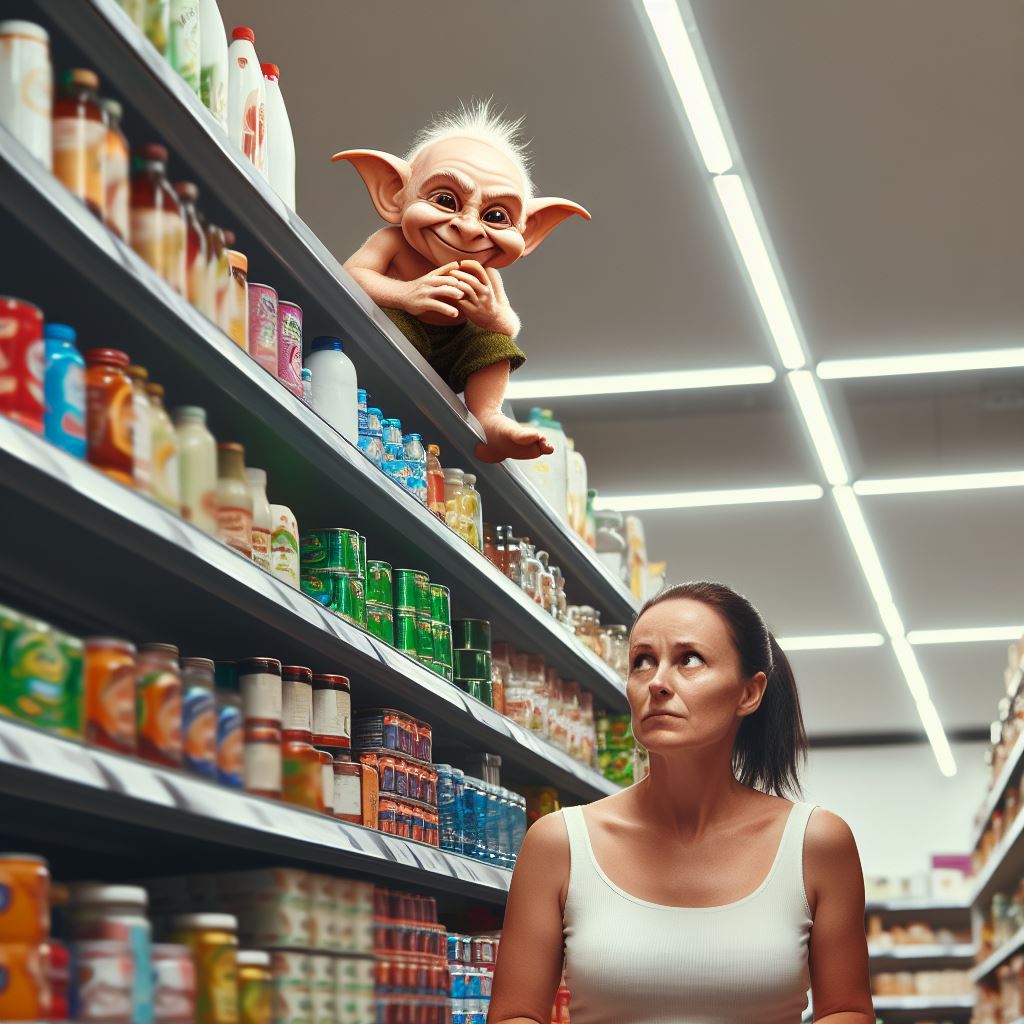
They only appear when you’ve learned the theory – so keep an eye out once you’ve read this article and learned its secrets, because you might just see one skulking in the clothing section, or peering out from behind the ice creams.
(Don’t mistake the analysis paralysis goblin for the ones who steal your shoelaces or scare the cat in the night – they are an entirely different breed. Here, I only refer to the marketing species of goblin).
What are analysis paralysis goblins?
When a human is walking down the aisle and is exposed to too much choice, the goblin strikes.
He casts the analysis paralysis spell.

When the wealth of options or information overwhelms your decision-making capabilities as a consumer and you are in a state of indecision, an analysis paralysis goblin is nearby.
The spell the goblins cast does not confuse necessarily, it simply prevents the consumer from making a purchase.
–(Left, a goblin casting the analysis paralysis spell).
It transforms the confusion they are already experiencing because of too much choice into a fear of making a mistake.
As a result, the customer leaves the shop empty handed.
Confusion + analysis paralysis goblin = fear of making a mistake
Have you ever seen people leaving the supermarket empty handed with a puzzled look on their face? Blame the analysis paralysis goblins.
Where does the analysis paralysis come from?
Too many choices, be it in selecting a product, service, or even a simple item, is a primary catalyst for analysis paralysis – the goblin simply preys upon this weakness.
The extensive range of options in supermarkets often leaves consumers feeling bewildered before the goblins even strike.
So, in many ways, it is not the goblins at fault but the supermarkets, for giving us too much choice and creating an environment in which the goblins thrive.
–(Right, a goblin hiding in a plant pot he had stolen from the gardening section).
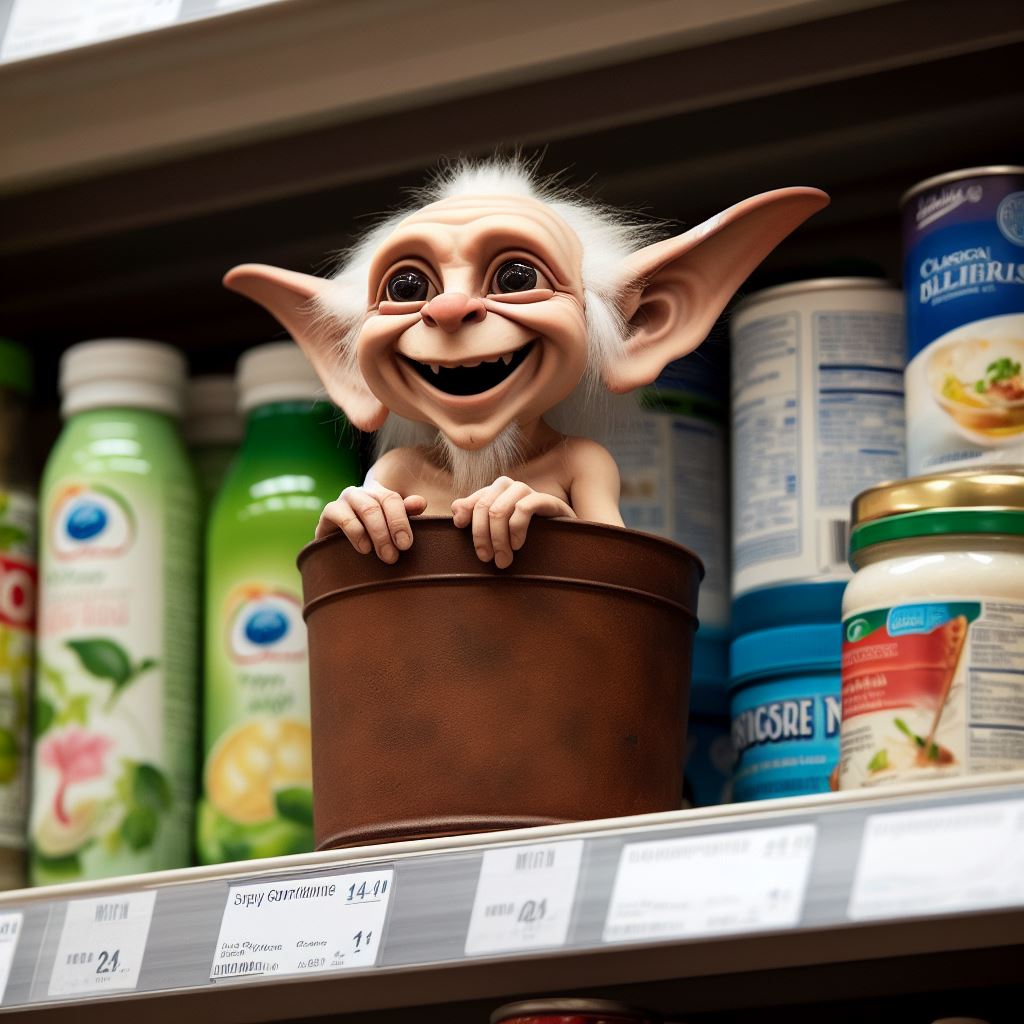
It is getting worse too, recently, the goblins have been preying on the confusion created by internet shopping.
The abundance of choice online can lead to a counterproductive scenario, where consumers feel inundated, struggling to sift through information and make a decision – and the goblins strike.
They prevent the consumer making a purchase by turning that very confusion into a fear of wasted money.
The consumers walk away with nothing and the business loses money as a result.
Why? Because the marketing department failed to create certainty.
As you can see, they are a real problem for marketers and you need to learn some techniques for defeating them.
Ways to beat the analysis paralysis goblins
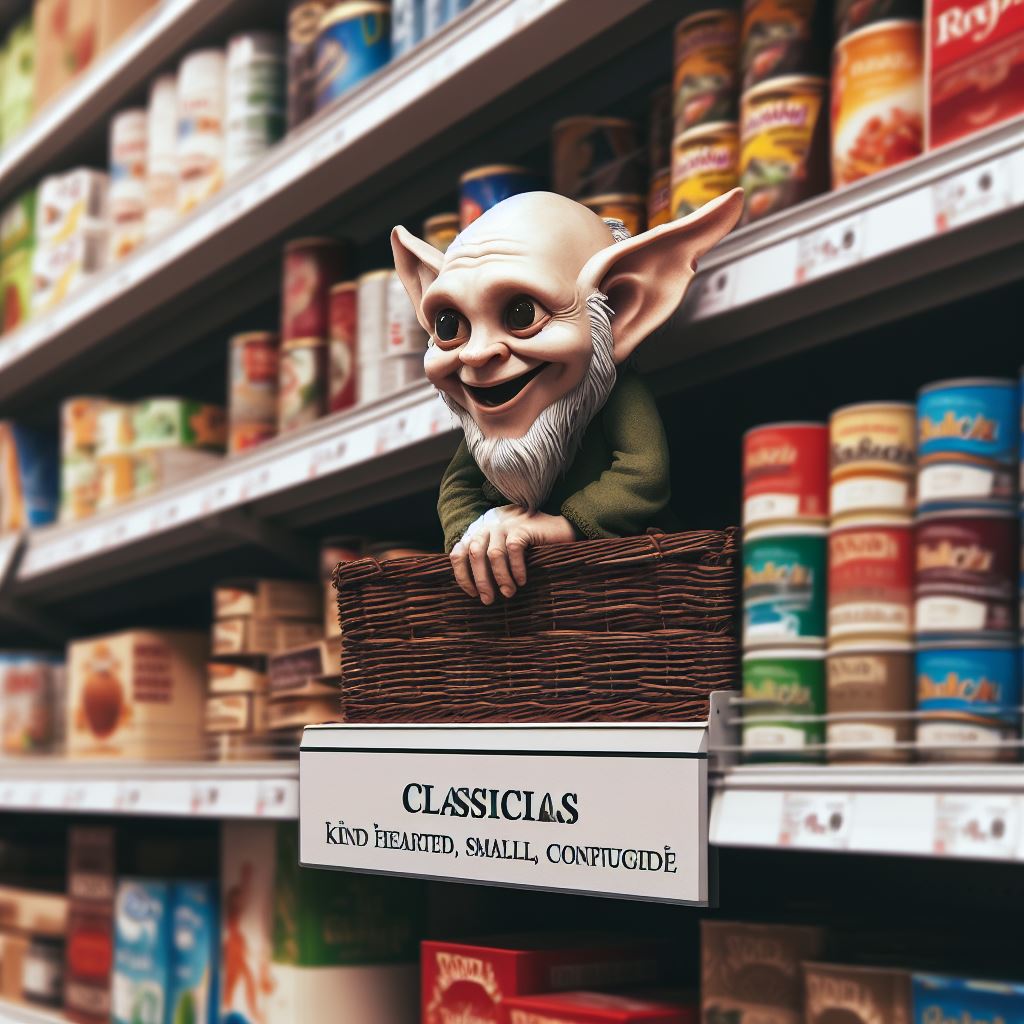
They look rather friendly don’t they – do not be fooled!
They’re mischievous buggers and they’ll take away your customers!
If you are worried about the analysis paralysis goblins affecting your work, here are some tips for keeping these pesky pests at bay:
- Simplify choices: You should offer consumers a thoughtfully curated selection of products or services rather than a random collection. Simplifying choices makes the decision-making process more manageable and less overwhelming, reducing the chances of the goblins appearing.
- Provide clear information: Clarity is key. Try to offer clear and concise information about products or services, avoiding information overload. Present key details relevant to the consumer’s decision-making process.
- Highlight differentiators: Clearly communicate the unique features or benefits that set a product or service apart from others which helps consumers focus on what makes a particular option stand out.
- Facilitate comparison: Making it easy for consumers to compare different options is essential. Employing comparison charts, customer reviews, or online tools assists them in evaluating choices without feeling overwhelmed. Remember, there’s a fine line between too much choice and allowing enough for comparison.
- Guide the decision-making process: Providing guidance through the consumer journey is invaluable. Recommendations, suggestions for popular choices, and interactive decision-making tools can assist consumers in making informed decisions. Use everything in your marketing powers to guide them away from confusion, for this is how to defeat the goblins.
- Create a positive shopping experience: Fostering a positive and stress-free shopping environment goes a long way. User-friendly websites, helpful customer service, and transparent policies instil confidence in the consumer, making the decision-making process more enjoyable.
Where do copywriters come into this?
As a copywriter, I can tell you that we have a great deal of influence over whether our target audience is confused or confident in their decisions. I think we are on the frontline of the fight against the analysis paralysis goblins.
It’s our job to reduce confusion wherever possible and guide our reader from initial exposure to point of sale with the smoothest, most streamlined process we can.
The less bumps in the road, the less room for the goblins to jump in and cast analysis paralysis spells.
Remember, confusion leads to fear of making a mistake and we want to avoid that like the plague.
If you enjoyed this article and want help in continuing your fight against analysis paralysis, please subscribe below!




 Absurd Insights
Leave a comment