

By Richard Croxford, Copywriter, UK
As a copywriter, I am always looking to personalise my work to my target audience. In my mind I am addressing a specific individual, or group, who I think will benefit from my content the most – or who will be most likely to buy whatever I’m selling.
However, we have to be careful when it comes to personalising content, because when it’s creepy it’ll turn our target audience into haters within seconds.
By creepy, I don’t mean subtle personalisation, or using cookies and AI to target certain demographics, most of the time this goes unnoticed and if it the audience does realise they are being targeted, it generally isn’t a problem for most.
Some of you might remember about 10 years ago when ads would pop up with your name on, or your location, or some other highly personal information.

This largely fell by the wayside, not because they don’t have that information anymore, but because marketers realised that by using it, they are scaring more than they are selling.
They could easily use an advert that addresses you by name, location, date of birth and brand of toilet paper that you use – they have this information – but they choose not to.
- Scenario 1: When personalisation is creepy
- Scenario 2: When personalisation is sinister
- Scenario 3: When personalisation is useful
- Scenario 4: Creepy but creative and vaguely admirable
- The Absurd Insights perspective
Scenario 1: When personalisation is creepy
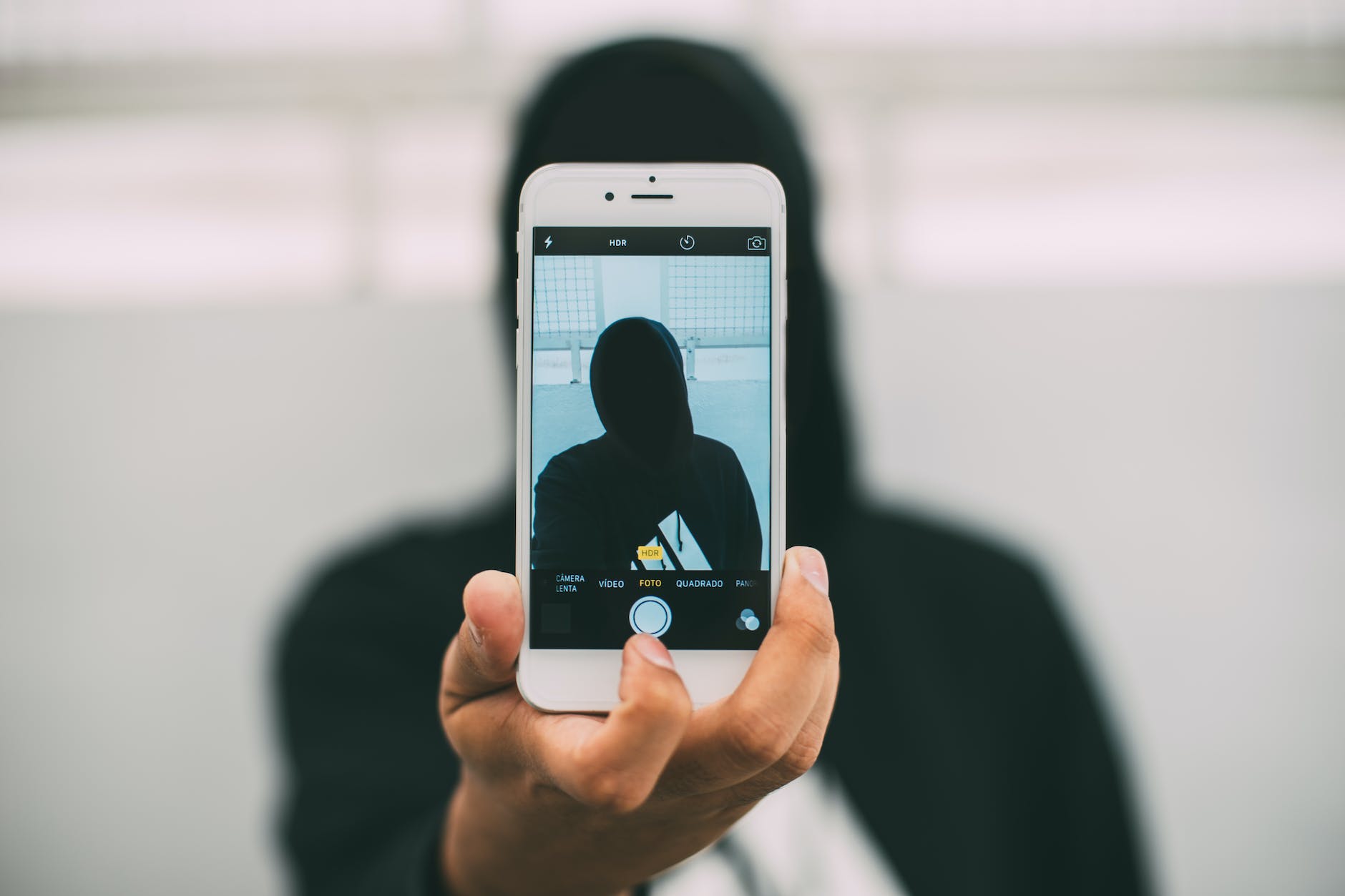
Imagine a scenario: A brand of fizzy drink pops up on your computer screen and, in big, flashing letters, says:
“Hey [your name], bet you’re thirsty right now! Why don’t you walk down to [name of your local shop] and buy some of our drink? I bet your wife, [her name], would love some too!”
How likely are you to buy that product? Pretty slim chance, right?
What are the chances that you unplug your computer, strap it to your chest with duct tape and throw yourself off the nearest bridge (preferably more than 50 meters tall and with a burning lake of oil at the bottom)?
I’d argue there’s better chance of the latter.
Scenario 2: When personalisation is sinister
Imagine what advertisers could do with hyper-personalisation to target the vulnerable, the elderly, the uneducated.
An advert flashes onto the screen of a 97-year-old’s computer:
“Good morning, Simon, we wanted to let you know about these miracle pills that will cure your cancer. Your son, Will, says that you should buy them and your wife Myriam would have said the same, if she hadn’t died last year.”
Sinister, creepy, morally wrong – but, unfortunately, entirely possible.

This is the dark side of the advertising industry and, luckily, no reputable firm would even consider this. Only scammers, con artists, and thieves.
Scenario 3: When personalisation is useful
Using cookies (and now AI), advertisers can target you for items that you genuinely need and want.
Yes, they are more annoying than random ads, but at least we are past the stage where personalisation involves using your name and location directly.
Advertising has become more creative in its use of personalisation.

Occasionally, I will get ads for things that I would never have found otherwise – books and clothes and the like – which is probably a good thing.
Is it not better, when going through a divorce, to have three of the best marketed lawyers competing for your engagement, rather than being restricted to the limits of your internet searches or the firm that’s on your local Highstreet?
Imagine you have been looking for a healthy diet, searching on the internet for the best ways to lose weight and gain muscle, then you get adverts for HelloFresh, AG1 and protein powders that could genuinely help you in your endeavour.
Sometimes, I’ll look up a product that I am thinking of buying in a couple of weeks’ time, just to see what the algorithm, cookies, etc, throws at me in the meantime.
I might not buy whatever shows up, but it’ll give me more options that I might not have thought of.
Scenario 4: Creepy but creative and vaguely admirable
Here’s a reversal of the law – where creepy becomes effective.
I think that internet safety, VPN and security companies have an interesting marketing opportunity through extreme personalisation – but I’ve not seen this used.
Imagine this advert for a well-known VPN/security provider:
“Hi, [your name], we found your information online, including your address and phone number. Don’t worry, we won’t use it for anything evil, but others might. Perhaps it’s time to protect your data through our digital services.”
In my opinion, a very powerful opportunity that is yet to capitalised on.
The Absurd Insights perspective
I have a specific individual I write for – though they don’t know it, and I’ve never asked if they even read my work.
It helps me tailor my message, look for an angle and address the reader (you).
Is this personalisation? Yes, but there’s nothing creepy about it.
The creepiness comes from an over-familiarity. Too much knowledge about the target audience.
In my opinion, there are very few instances where more than location should be used to target an audience and it regularly borders on sinister when it’s taken further.
Unfortunately, with AI technology, personalisation is going to be an even more common occurrence within the marketing space.
Brands have even found, through studying grocery buying habits, ways to tell if a woman is pregnant, sometimes before even she knows herself.
It’s a scary world we live in and the future of personalisation is going to become increasingly interesting to watch.
For now, I will turn off cookies in almost every scenario – though I know this is a futile protest an endless march of progress.
If you enjoyed this article, please follow me on LinkedIn, or subscribe to Absurd Insights below:


 Absurd Insights
Leave a comment