

Have you seen that advert where Johnny Depp drives off into the desert, digs a hole in the sand and buries his jewellery?
Then he plays guitar and stares broodingly into the distance.
It’s kind of weird even describing the advert but I guarantee you know the one I’m talking about.
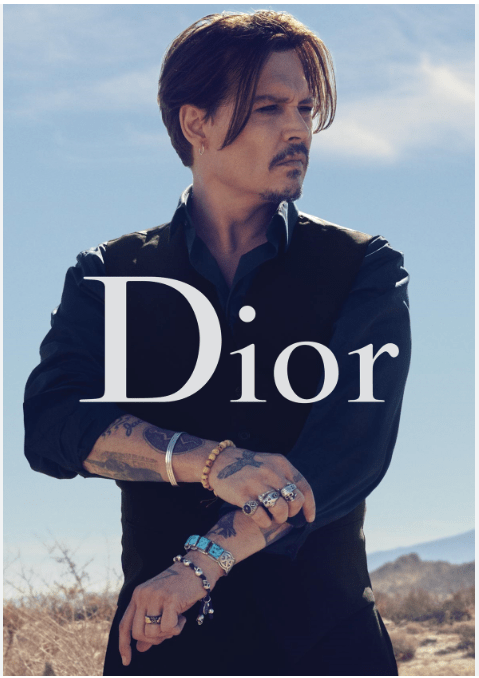
He reportedly made more than $20 million on that piece of film.
But every time it comes on the TV, I think to myself – was it worth it?
Not for him – $20 million for a few hours work and some TV time seems like a very good deal.
But what about Dior? Was it worth paying Depp that ungodly amount for those ads?
Have they made their money back in sales of Sauvage perfume?
- What is celebrity endorsement?
- How effective is celebrity endorsement?
- Which audiences appreciate celebrity endorsement?
- Biggest celebrity endorsements of all time
- What are the negatives of celebrity endorsements?
- The Absurd Insights view of celebrity endorsements
What is celebrity endorsement?

Celebrity endorsement refers to the strategic association between a brand and a well-known personality to promote a product or service.
It leverages the fame, credibility, and influence of the celebrity to enhance the brand’s visibility and appeal to a broader audience.
The celebrity becomes a face for the brand to create a positive association in the minds of consumers.
It aims to capitalise on the celebrity’s popularity and public trust to drive consumer engagement, boost sales, and build a favourable brand image.
However, it can be risky as we’ve seen numerous celebrities torpedo their associated brands through their public and private lives.
How effective is celebrity endorsement?
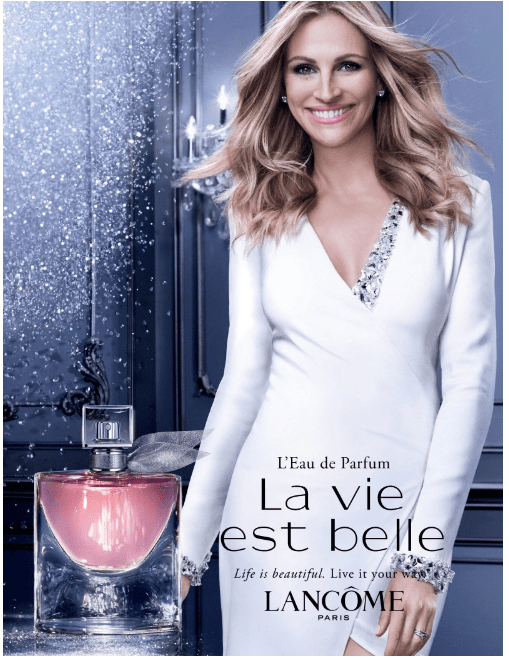
A study conducted by Anita Elberse at the Harvard Business School, showed that approximately 20 per cent of all advertising features a celebrity.
Equally, her research suggests that celebrity endorsements increase trust, and that brands can experience a 20-to-40 per cent increase just by using a celebrity endorsement.
Similarly, according to a Marketwatch claim in Social Media Week, just one endorsement can spell an increase in sales by 4 per cent, almost immediately.
Academic, Mina Jun and her colleagues wrote in the Journal of Business Research.
“We [found] that when consumers have no prior knowledge about the benefits of a brand, a celebrity’s enabling, enticing, and enriching (3E) associations get transferred to the brand.
However, when consumers know that a brand has low 3E benefits, only the celebrity endorsers’ enriching associations are transferred to the brand.”
In other words, celebrities can increase the perceived value of a brand only when the brand is unknown.
When the brand is known, the celebrity endorsement is not enough to change the previously held opinion of the consumer.
Which audiences appreciate celebrity endorsement?
Research performed by Statista found that 16 per cent of all internet users aged 16 to 24 years discovered new brands through celebrity endorsements.
This suggests that celebrity involvement within a marketing context might work best when used on a younger demographic.
Biggest celebrity endorsements of all time
It’s hard to find data on the success of brand endorsements – very few brands are willing to be open and honest about whether their adverts are successful.
However, judging by how much companies are willing to pay for celebrities to be the face of their product, I’d wager that they work pretty well.
Here are some examples of the biggest celebrity endorsements:
1. George Clooney – Nespresso
George Clooney reportedly made $40 million (£33.1 million) for his part in the Nespresso campaign.

In 2013, the star revealed that a lot of the money from his Nespresso commercials went towards “keeping a satellite over the border of North and South Sudan to keep an eye on Omar al-Bashir”, the country’s then-president.
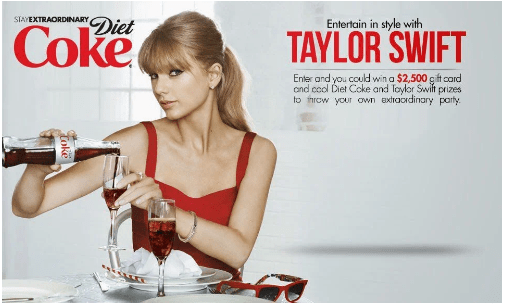
2. Taylor Swift – Coca-Cola
Taylor supposedly made $26 million (£21.5 million) through her role featuring in Coca-Cola adverts.
3. Snoop Dogg – Corona beer
Snoop has done a few celebrity endorsements in his time – the Just Eat song being the most famous and easily recognised.
However, in 2020, Snoop became the face of Corona beer.
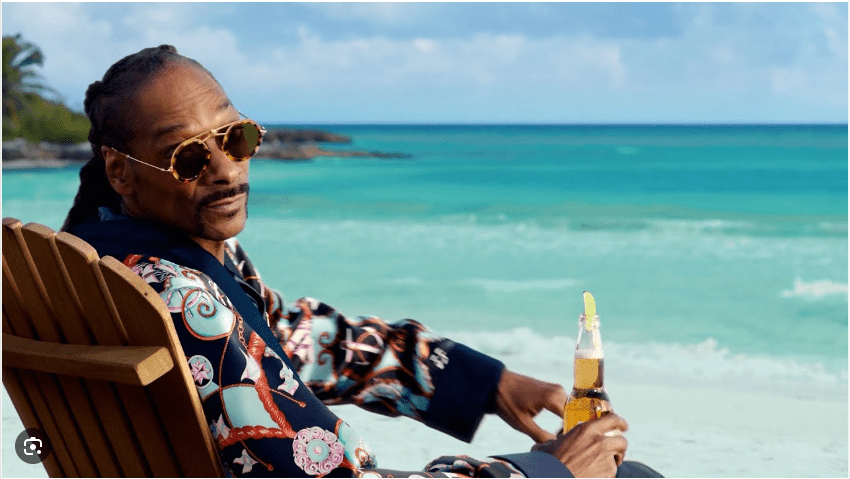
He was paid $10 million at the time, which would now be around $13.8 million today (£11.4 million).
4. Christiano Ronaldo – Nike
The largest celebrity endorsement I could find on the internet – a staggering $1 billion (£826.7 million).
The sportswear brand signed a lifetime deal with Ronaldo in November 2016.

At the time of the deal, he had worn 60 different sets of Nike cleats over their 13-year partnership.
What are the negatives of celebrity endorsements?
While celebrity endorsements can be a powerful marketing tool, there are several drawbacks associated with the strategy.
- High costs: Engaging a celebrity for endorsements often involves substantial financial investments.
- Overexposure: Excessive use of a celebrity in multiple endorsements can lead to overexposure, diminishing the impact of their association with a particular brand. If consumers see the same celebrity promoting various products, the authenticity of the endorsement may be questioned.
- Celebrity controversies: Celebrities are susceptible to controversies and scandals. If a celebrity endorser becomes embroiled in a negative event or public scandal, it can have detrimental effects on the brand’s image by association.
- Mismatch of values: The choice of a celebrity should align with the brand’s values and target audience. If there is a mismatch, it can lead to confusion and may even alienate the intended consumer base. An inappropriate match between the celebrity and the brand can dilute the credibility of the endorsement.
- Limited control: Brands have limited control over the personal lives and actions of celebrities. Even with a meticulously crafted agreement, unexpected events or the celebrity’s behaviour outside the professional realm can impact the brand’s reputation negatively.
- Short-term impact: Celebrity endorsements may generate immediate attention, but their influence might be short-lived. Once the campaign ends or the celebrity moves on to other projects, the brand may struggle to maintain the momentum and sustain consumer interest.
- Lack of credibility: Consumers are becoming increasingly discerning, and some may view celebrity endorsements as superficial or insincere. If there is a perception that the celebrity is endorsing products solely for financial gain, it can erode the credibility of both the celebrity and the brand.
- Dependency risk: Relying too heavily on a celebrity for brand promotion creates a dependency risk. If the celebrity’s popularity wanes or their public image changes negatively, the brand may struggle to dissociate itself and find alternative means of promotion.
As you can see, celebrity endorsements aren’t all plain sailing.
In fact, many brands can’t afford them and those who can feel that the risk to reward ration is just too high.
The Absurd Insights view of celebrity endorsements
So, do they really work?
In all my research into the topic I couldn’t find real, monetary numbers from brands that supported the theory.
But judging by the inordinate amount that brands are willing to pay for celebrity endorsement I would suggest that they do indeed provide companies with a lot of value.
On top of this, the research done by academics in the business and marketing fields suggests a correlation between celebrity endorsement and improved sales.
Is it right for every brand? Probably not.
Is it right for huge corporations like Nike, Dior and Coca-Cola? Probably, yes.
To learn more about marketing theory and to access subscriber only content, please consider subscribing. It’s free and easy to sign up.



 Absurd Insights
Leave a comment