
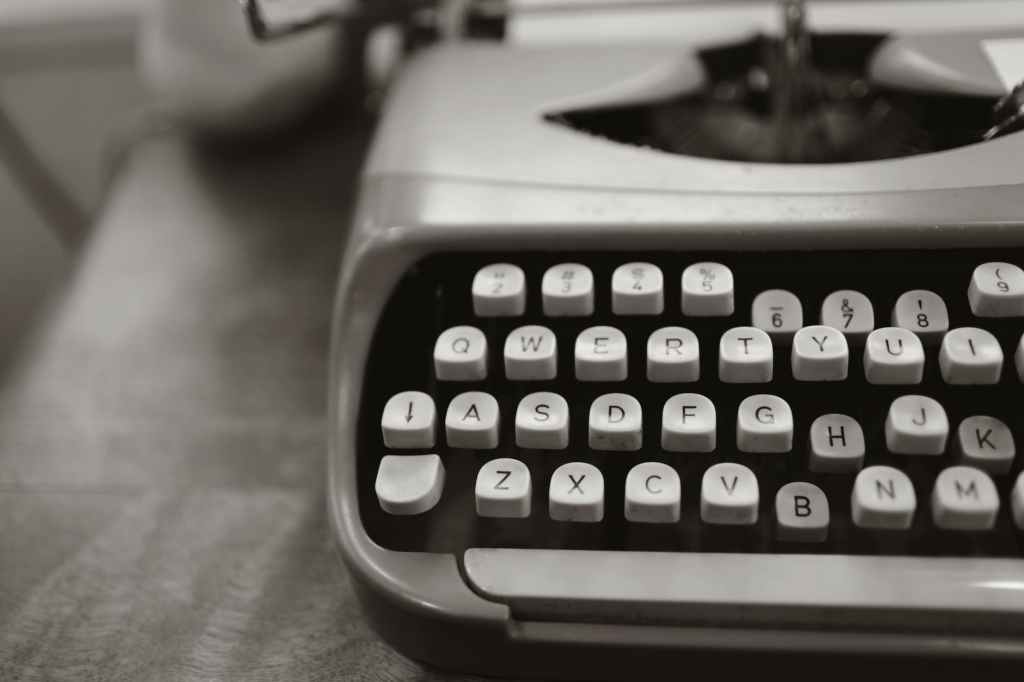

I have long been fascinated by the writing processes of famous authors.
Here are some of my favourite quotes and how they apply to copywriters and professional wordsmiths.
David Ogilvy

“The consumer isn’t a moron, she’s your wife.”
David Ogilvy, often hailed as the “Father of Advertising,” understood the importance of respecting the intelligence of the audience.
In copywriting, this principle is paramount.
While crafting a message, one must avoid underestimating the reader’s intelligence.
Just as you would communicate sincerely and respectfully with your spouse, your audience deserves the same consideration.
Copy that treats the audience with intelligence builds trust.
It acknowledges their ability to discern and make informed decisions.
Ogilvy’s quote underscores the significance of empathy and a genuine understanding of your audience in crafting persuasive copy.
By treating the consumer as an intelligent partner, a copywriter can create content that resonates and forms a lasting connection.
Ernest Hemingway
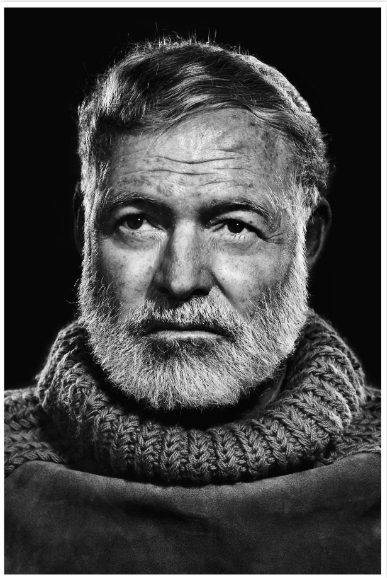
“The first draft of anything is shit.”
Ernest Hemingway‘s candid statement about the initial draft is a universal truth in the realm of writing, including copywriting.
The creative process often involves a messy starting point, and acknowledging this is crucial for improvement.
Hemingway’s advice resonates with the iterative nature of copywriting, encouraging writers to view the first draft not as a failure but as a necessary step towards refinement.
In the context of copywriting, this quote highlights the importance of revision. Effective copy rarely emerges fully formed in the initial attempt.
It demands scrutiny, editing, and a commitment to continuous improvement.
Copywriters should embrace the rewriting process, understanding that the true essence of their message may reveal itself only through multiple revisions.
Hemingway‘s straightforward approach also emphasises the need for clarity in communication.
Copy that undergoes revision tends to shed unnecessary elements, resulting in a final product that is succinct, impactful, and able to capture the audience’s attention.
George Orwell
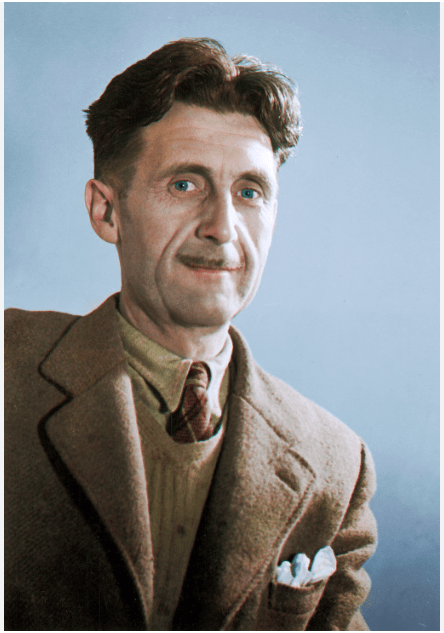
“If it is possible to cut a word out, always cut it out.”
George Orwell‘s commitment to simplicity and conciseness is a guiding principle for effective copywriting.
In a world where attention spans are fleeting, the ability to convey a message with brevity is invaluable.
Orwell’s quote underscores the importance of eliminating redundancy and choosing words with precision.
In copywriting, the goal is to communicate the maximum impact with the fewest words.
Unnecessary words can dilute the message and distract the reader.
By adhering to Orwell’s advice, copywriters can create content that is clear, direct, and memorable.
Orwell’s comparison of good prose to a “window pane” further emphasises the transparency and clarity required in effective copy.
Like a clear window, good copy allows the audience to see through to the core message without unnecessary obstacles.
Stephen King
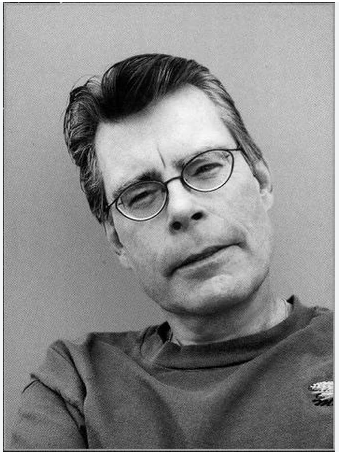
“The adverb is not your friend.”
Stephen King’s aversion to adverbs is a valuable lesson in the precision of language. Adverbs can often weaken writing, making it less impactful and more ambiguous.
In copywriting, where every word should serve a purpose, the overuse of adverbs can dilute the clarity and strength of the message.
King’s advice encourages copywriters to choose strong verbs and descriptive nouns instead of relying on adverbs to convey meaning.
This not only makes the writing more dynamic but also ensures that each word contributes to the overall effectiveness of the copy.
King’s additional counsel about cutting a story to the essentials is directly applicable to copywriting.
In a world inundated with information, concise and to-the-point copy stands a better chance of capturing and retaining the audience’s attention.
Oscar Wilde

“I was working on the proof of one of my poems all the morning, and took out a comma. In the afternoon, I put it back again.”
Oscar Wilde’s anecdote about the comma reflects the meticulous nature of the editing process.
In copywriting, attention to detail is paramount.
Every punctuation mark, every word, contributes to the overall impact of the message.
Wilde’s emphasis on the laborious task of editing aligns with the iterative process of perfecting copy.
It is not uncommon for copywriters to spend considerable time fine-tuning and refining their work.
The placement of a comma, the choice of a specific word – these details matter and can significantly influence the reader’s perception.
Wilde’s second quote, about making a letter longer due to a lack of time to make it shorter, speaks directly to the challenge of brevity in copywriting.
Crafting concise yet compelling copy requires time and effort, but the result is a message that is more potent and resonant.
Final thoughts
The wisdom of David Ogilvy, Ernest Hemingway, George Orwell, Stephen King, and Oscar Wilde offers valuable insights for anyone venturing into the world of copywriting.
Whether it’s understanding your audience, embracing the rewriting process, prioritising clarity and conciseness, avoiding unnecessary adverbs, or meticulously editing for perfection, these tips are timeless and can elevate the craft of copywriting to new heights.
Learn how to be a copywriter by clicking here. Or subscribe below for weekly insights!




 Absurd Insights
Leave a comment