


Retail is competitive, so many supermarkets run loyalty schemes to drive purchasing and consumer allegiance to their brand.
Tesco offers the Tesco Clubcard, Sainsbury’s offers Nectar points, Iceland has the Bonus Card and so on, ad absurdum.
These programmes are not merely a generous giveaway of points and discounts – they are a shrewd application of psychological principles that keep customers coming back for more.
Some studies suggest that as much as 84 per cent of consumers are more likely to stick to a brand that has a loyalty programme.
On top of this, brands have a 60-to-70 per cent chance of selling to an existing customer, versus a five-to-20 per cent chance of selling to a new one.
In this blog, we look at the underlying psychology behind why supermarkets run loyalty schemes and how these initiatives are often central to their marketing efforts.
- The power of reciprocity
- Establishing trust and familiarity
- Gamification and the pleasure of winning
- Endowment effect and perceived value
- Loss aversion and fear of missing out (FOMO)
- Anchoring and reference points
- Loyalty schemes as data goldmines
- The absurd insight into supermarket loyalty schemes
The power of reciprocity

Supermarkets understand the fundamental principle of reciprocity.
By offering customers rewards, discounts, or exclusive deals through loyalty schemes, they create a sense of indebtedness.
When individuals receive something of value, they instinctively feel compelled to reciprocate.
In this context, customers reciprocate by continuing to shop at the supermarket that provides them with these benefits.
The emotional connection formed through reciprocity is a powerful one, and you should watch out for it in your own life.
Many brands could be taking advantage of you by making you feel guilty.
Establishing trust and familiarity
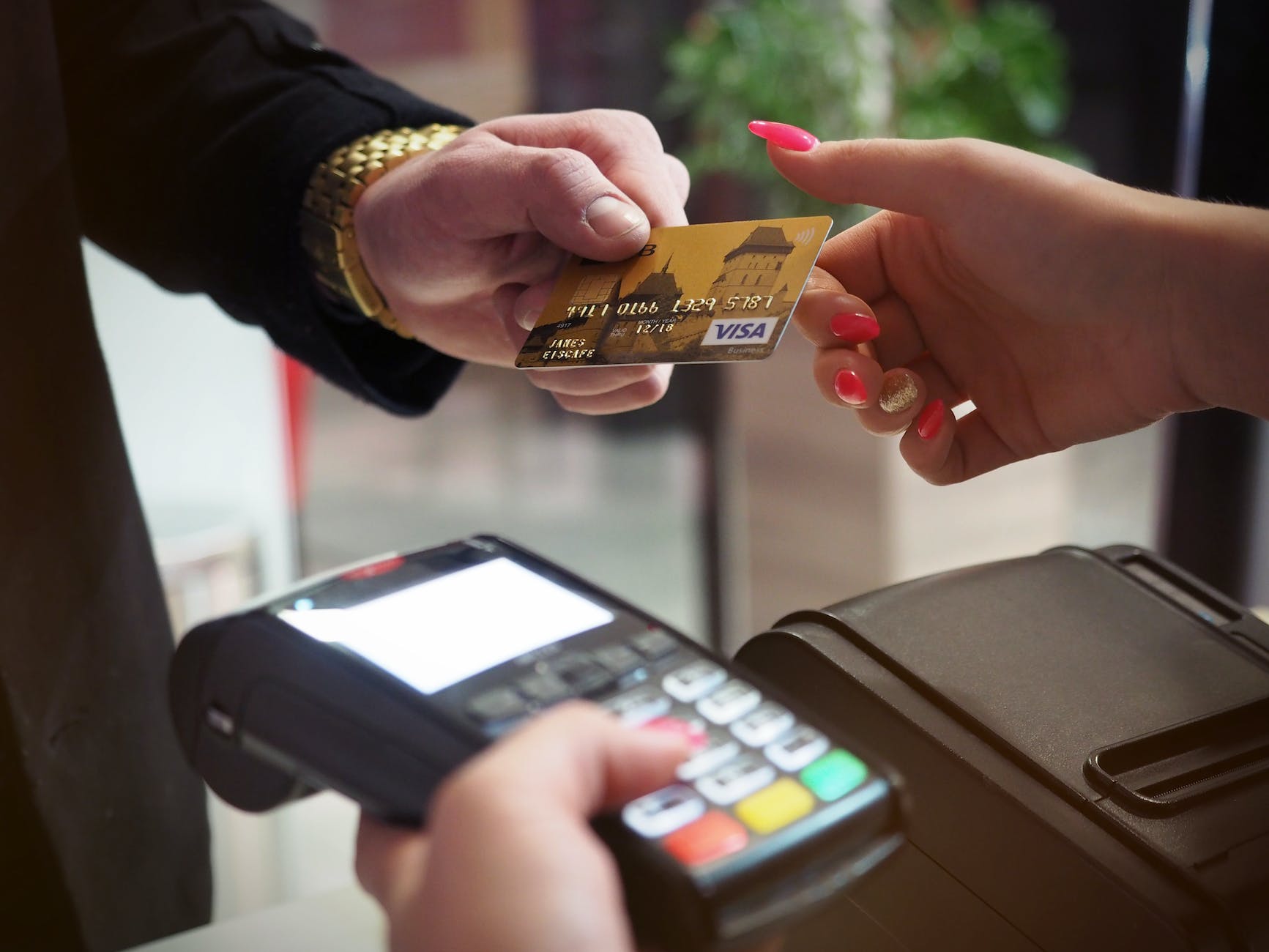
On the flip side, loyalty schemes contribute significantly to building trust and familiarity between the supermarket and its customers.
Regular interactions through reward notifications and personalised offers create a relationship that goes beyond mere transactions.
As customers accumulate points or enjoy exclusive perks, they feel a sense of belonging and trust in the supermarket brand.
Trust is a crucial element in marketing, and loyalty schemes provide a tangible way to foster it.
Gamification and the pleasure of winning

Loyalty schemes often incorporate elements of gamification, turning routine shopping into an engaging experience.
Customers are naturally drawn to the thrill of accumulating points, reaching new levels, or unlocking exclusive rewards.
The pleasure associated with these achievements activates the brain’s reward centres, creating a positive feedback loop that encourages continued participation.
Supermarkets leverage this psychological aspect to turn shopping into a gratifying and enjoyable activity.
Take Sainsbury’s Nectar programme, they even have a scratch card style game that gives you free Nectar points, which pops up on the app from time to time!
Endowment effect and perceived value

The endowment effect, a cognitive bias where individuals assign higher value to things they own, plays a crucial role in the success of loyalty schemes.
As customers earn points and rewards, they perceive these benefits as possessions.
The perceived value of these rewards often exceeds their actual monetary worth, leading customers to overvalue the benefits received through the loyalty programme.
This inflated sense of value reinforces the attractiveness of the supermarket and its loyalty scheme.
Loss aversion and fear of missing out (FOMO)

Supermarkets strategically tap into the concept of loss aversion, wherein individuals prefer avoiding losses over acquiring equivalent gains.
That’s why Tesco deliberately highlights the savings you could make on every purchase.
It’s like saying: “I bet you wish you had a Clubcard! Look at all the savings you could be making, you loser!”
Loyalty schemes create a fear of missing out (FOMO) on exclusive deals or limited-time offers, compelling customers to remain loyal to the supermarket to avoid losing potential benefits.
The fear of missing out becomes a powerful motivator, influencing customer behaviour and promoting long-term loyalty.
Anchoring and reference points

Anchoring, a cognitive bias where individuals rely heavily on the first piece of information encountered, is effectively employed in loyalty schemes.
The initial registration and the presentation of the first set of rewards become reference points for customers.
Subsequent rewards, even if relatively modest, are perceived as gains, reinforcing the positive association with the supermarket and its loyalty programme.
For example, to lure you in a supermarket might offer you 20 per cent off. But, in three months’ time, you notice you’re only getting five per cent off.
Because you were anchored to the larger figure, you likely went along with the scheme completely unaware of the small print and warning signs that pointed out you wouldn’t be getting 20 per cent off forever.
By this time however, it’s too late to throw your loyalty card out anyway.
Loyalty schemes as data goldmines

Now we get to the really sinister part of loyalty schemes.
Beyond the psychological aspects, loyalty schemes serve as invaluable sources of customer data.
Supermarkets can analyse purchasing patterns, preferences, and demographics to tailor marketing strategies more effectively.
That’s why 76 per cent of B2C marketing execs say they are collecting more first-party data – to deliver more personalised service.
Personalised offers based on this data enhance the overall customer experience, strengthening the emotional connection and loyalty between the customer and the supermarket.
The absurd insight into supermarket loyalty schemes

Supermarkets would be foolish not to recognise the potent impact of loyalty schemes on customer behaviour.
By understanding and strategically applying psychological principles, these retailers create emotional connections, build trust, and influence customer decision-making, which clearly goes a long way to making more money.
At Absurd Insights, we predict that the gamification of loyalty schemes is likely to skyrocket in the next few years. Why? Because technology is moving in that direction anyway (think Tik Tok and Instagram).
We are currently moving to a more gamified world. Consumer experience is now the king, not consumer satisfaction.
Technology has worked out how to gamify our attention and we suspect that brands soon will too.
For more Absurd Insights, please click here. Or subscribe below for weekly marketing knowledge.




 Absurd Insights
Leave a comment